Dental Server Migration · Buffalo & Rochester

Dentrix server migration and Eaglesoft moves, done over a weekend.

Moving Dentrix, Eaglesoft, or Open Dental to a new server is one of the riskiest jobs in a dental office. We plan it, build the new server ahead of time, move the data after hours with your software vendor, and keep the old server ready as a rollback. Practices in Buffalo and Rochester open Monday on new hardware without losing a day.

  • Cutover after hours
  • Written rollback plan
  • Your software vendor in the loop

How We Do It

A migration that's planned, not improvised.

Every move follows the same careful approach, so your practice keeps seeing patients and nothing gets left behind on the old server.

01

Assessment Before Anything Is Bought

We document what the old server actually does.

02

Cutover After Hours

No downtime during the schedule.

03

A Written Rollback Plan

The old server stays ready until the new one proves itself.

When to Migrate

Signs your dental server is due for replacement.

The best time to replace a server is before it fails, when you can pick the date. Tick the signs that apply to yours.

0 of 7 signs

Tick any that apply to your server.

A migration done on your schedule costs far less, in money and stress, than an emergency rebuild after the server dies on a Monday morning.

Plan My Server Migration
Step 1 of 6

Assessment: find out what the old server really does.

The practice software is rarely the only thing on a dental server. Over the years, it picks up more:

Imaging databases Shared folders A printer queue A fax program A label printer A scanner destination A backup agent nobody remembers installing

Miss one, and someone finds out on Monday morning.
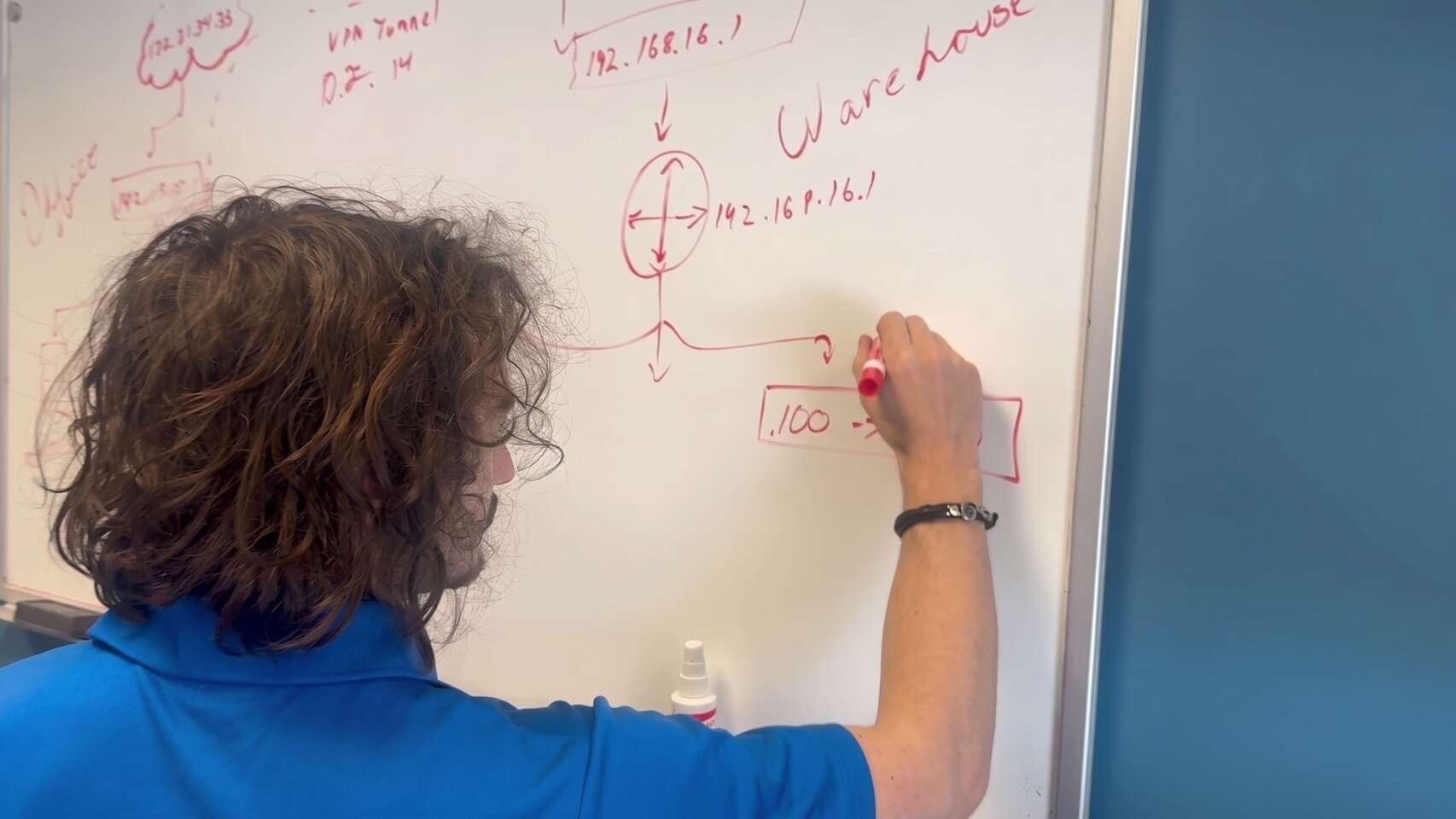
Buffalo IT Services engineer mapping out a dental office server and network on a whiteboard
Before we quote hardware, we write down: A full inventory of the existing server
  1. 01

    Practice management software

    And its exact version: Dentrix, Eaglesoft, Open Dental, or another.

  2. 02

    Imaging software

    Its database, and where images are stored.

  3. 03

    Shared folders and mapped drives

    Every one, and which workstations use them.

  4. 04

    Other services

    Printing, scanning, faxing, remote access, and backups.

  5. 05

    Data size and growth

    How much data there is and how fast it's growing.

  6. 06

    Vendor requirements

    For the version you'll run after the move.
This list becomes The migration checklist The test plan
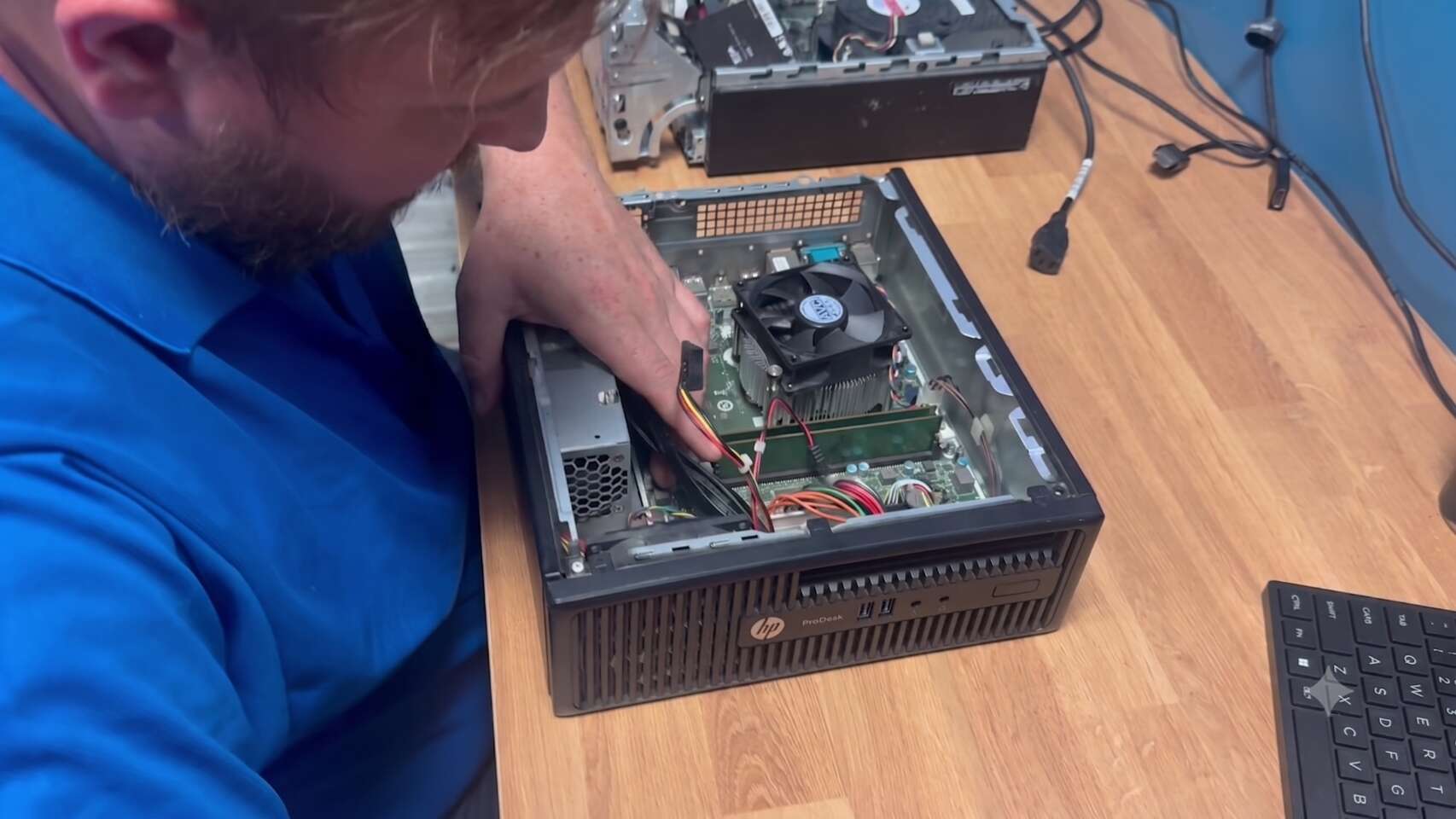
Buffalo IT Services technician building and testing new server hardware
Burn-in period Running for days before the move
Step 2 of 6

New hardware, built and burned in early.

We specify the new server against the current requirements from Henry Schein One, Patterson, or Open Dental for the version you'll run, plus room for growth. Our hardware page has more on how we choose equipment.

Dell partner HP partner Business-class hardware with proper warranties

The server is built and running for days before the move, not unboxed on the night. That gives drive or memory faults time to show up while the old server is still in charge.

Ready for cutover when it has

  • A supported Windows Server version, fully patched
  • Redundant solid-state storage and a battery backup that can shut it down cleanly
  • A fixed IP address, the right name settings, and firewall rules
  • Backups configured and tested, before any patient data lands on it
  • Monitoring in place, so we hear about problems before you do
Steps 3 & 4 of 6

Data migration and testing, with the vendor in the loop.

Moving a practice database isn't a file copy. Each vendor has its own process, and some prefer to do that step themselves or be on the call while it happens. We book that time with Henry Schein One, Patterson, or Open Dental well ahead.

Your vendor

Moves the database

Using their own process, or with us on the call.

We handle everything around it

ImagesDocumentsShared foldersImaging softwareEvery service on the checklist

A trial run first, where possible

We restore a copy of the data onto the new server, connect one test workstation, and check it the way staff would use it. That catches permission problems, missing folders, and imaging paths before the real night.

Test plan Run on each workstation
  1. 01

    Open the practice software and pull up a recent patient

  2. 02

    Check the schedule, chart, ledger, and a printed document

  3. 03

    Click through to imaging and confirm existing X-rays open

  4. 04

    Take a test capture where there's a sensor

  5. 05

    Scan a document and print a claim or statement

Step 5

Cutover after hours, so Monday is boring.

The real move happens when the office is closed, usually starting on a Friday evening or Saturday. The order matters:

01

Everyone logs out. We confirm nobody is connected to the old server.

02

We take a final full backup of the old server and confirm it completed.

03

The database is moved to the new server using the vendor’s process, followed by images, documents and shared folders.

04

Every workstation is pointed at the new server: software settings, mapped drives, imaging paths, scanners and printers.

05

We run the test plan on every workstation, not a sample.

06

The old server is shut down but left untouched.

On the first morning, we check in with the front desk early, either onsite or remotely, so any small issue is fixed before the first patient sits down.

IT engineer working with a laptop beside rows of rack-mounted servers
Buffalo IT Services technician performing hardware work inside an HP ProDesk desktop
Old server: powered off Data intact, ready as a rollback
Step 6 of 6

A rollback plan you hopefully never use.

Every migration we run has a written rollback plan, so the practice opens on time either way.

Passes testing

Open on the new server

Monday runs on the new hardware.

Fails, can't fix that night

Switch back to the old server

It hasn't been changed, so the practice opens as normal. We fix the problem and reschedule.

What happens to the old server

  1. 1

    Stays in place, powered off

    With its data intact, for an agreed period after the move.

  2. 2

    New server proves itself

    It runs cleanly, backups complete, and a test restore works.

  3. Drives securely wiped

    And disposed of, with a record you can keep for HIPAA purposes.

Common Questions

Dental server migration FAQ.

Quick answers to what practices ask us most before moving to a new server.

Server near the end of its life?

Plan the move on your schedule, before it fails on a Monday morning.

(716) 463-5111

The cutover happens after hours, usually over a weekend, so the practice shouldn't lose scheduled time. The first morning, we check in early to fix anything small before patients arrive.

Usually, yes. Each vendor has its own process for moving the database, and some handle that step themselves. We book their time in advance and handle everything else around it.

It depends on hardware lead times and vendor scheduling. We start with an assessment of your current server, then agree on a date once the new hardware is built and tested.

We follow the written rollback plan: workstations are pointed back at the old server, which hasn't been changed, and the practice opens as normal while we fix the problem.

It stays powered off with its data intact until the new server has proven itself. After that, the drives are securely wiped or destroyed, and documented.

Ready to see what we can do for your business?

Schedule a free remote or on-site IT consult. Tell us about your business and the services you need – response times are typically under three hours.